Decorative Women's Faces and Flowers Art: A Guide
The Art of the Single, Unbroken Line
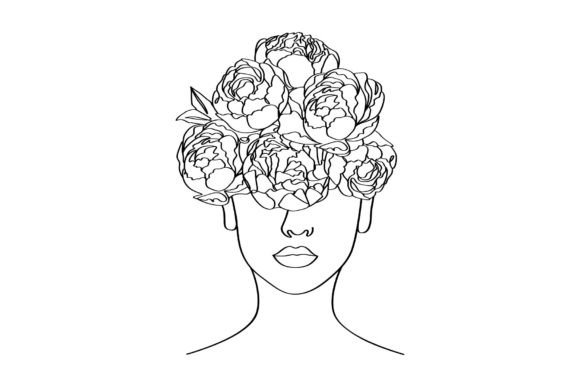
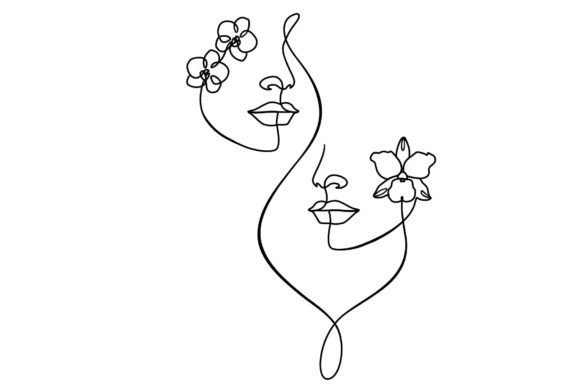
There’s a particular magic in art that feels both effortless and deeply intentional. You see it in a single, confident brushstroke or a line that never breaks. This is the essence of Decorative Women's Faces and Flowers Art. It’s not just an illustration style; it’s a visual philosophy. Imagine the elegant curve of a woman’s jawline flowing seamlessly into the stem of a peony, or her eyelash becoming a tendril of ivy. This minimalist, continuous line art creates a powerful sense of unity and grace. The style speaks of sophistication, femininity, and a connection to nature, all captured in one fluid motion.
Visually, this artwork is defined by its simplicity and complexity in equal measure. The lines are clean, often uniform in weight, creating a harmonious and balanced composition. The subject matter—the beautiful Decorative women's faces—is rendered with abstract features, focusing on profile or three-quarter views that emphasize form over hyper-realism. The flowers are not botanical replicas but stylized partners to the face, sharing the same linear DNA. The overall personality is one of quiet confidence, modern elegance, and artistic refinement. It’s a style that feels both timeless and thoroughly contemporary, making it a versatile design asset for a multitude of projects.
Where This Artistic Style Truly Shines
Understanding the personality of Decorative Women's Faces and Flowers Art is one thing; knowing where to deploy it is another. Its strength lies in its ability to convey a specific mood without overwhelming a design. Think of it as the visual equivalent of a well-chosen serif font or a delicate script font—it adds character and elegance.
In brand identity and logo design, this style is a powerhouse for businesses targeting a female audience. A boutique skincare line, a floral studio, a women's wellness brand, or a high-end cosmetics company could use a simplified version of this line art as a standalone mark or an elegant monogram. It immediately communicates values of beauty, care, and artisanal quality. For packaging design, a continuous line illustration can create a stunning focal point on a box or label, making a product feel luxurious and gift-worthy.
The applications extend far beyond branding. In editorial design and publishing, a large-scale version of this art can serve as a breathtaking chapter opener in a book or a feature image in a magazine about art, fashion, or lifestyle. For web design, it can be used as a hero image, a background pattern, or an animated SVG that draws itself on screen, engaging visitors in a unique way. Social media graphics benefit immensely; this art style creates highly shareable, visually cohesive content for Instagram grids, Pinterest pins, and Facebook headers, especially for accounts in the beauty, fashion, or creative coaching spaces.
Even in personal projects, the appeal is clear. Imagine it as the central motif for a custom wedding invitation suite, a tattoo design, or a piece of wall art for a home office. The continuous one-line art format also makes it perfect for modern embroidery patterns, vinyl decals, and DIY craft projects, offering crafters and hobbyists a sophisticated template to work with.
Making It Work: Practical Design Considerations
Adopting a creative font or art style isn't just about liking the look; it's about strategic implementation. Here’s how to work with Decorative Women's Faces and Flowers Art effectively.
First, consider font pairing. This art style has a distinct voice—elegant, linear, and organic. It pairs beautifully with typefaces that complement rather than compete. A clean, geometric sans serif font for body text can create a modern, balanced look. Alternatively, a traditional, light-weight serif font can enhance the classic, sophisticated feel. Avoid overly decorative or heavy fonts that would clash with the artwork's delicacy. The goal is to let the illustration be the star while the typography provides a stable, readable foundation.
Next, think about scale and placement. This artwork has a strong silhouette. Blowing it up to fill a page or screen can make a dramatic statement, while using it as a small, recurring icon builds brand consistency. Always test the artwork at its intended size. A key part of its appeal is the clarity of the line; if it’s reduced too small, the details of the face and flowers can merge into an indistinct blob. For web design, ensure the lines are thick enough to render clearly on various screen resolutions.
Color is another powerful lever. While the classic look is black on white, don't be afraid to explore. A single, elegant color—like a dusty rose, sage green, or deep navy—can tie the artwork directly into a brand's color palette. Using a metallic foil effect for print projects adds a layer of premium tactile quality. For digital use, you can even animate the color filling in the line, creating a captivating loading animation or interactive element.
Finally, the question of sourcing. While you can find this style in premium font packages that include decorative glyphs or as standalone illustration packs, it's crucial to understand the license. If you're using it for a client's logo design or on products for sale, you need a commercial font or art license. Always read the terms. Many artists and foundries offer different tiers for personal, small business, and enterprise use. Investing in properly licensed work protects you legally and supports the artists who create these beautiful design assets.
In the end, Decorative Women's Faces and Flowers Art is more than a trend. It’s a testament to the power of a single line to tell a story of beauty and growth. By understanding its personality and applying it with thoughtful strategy, designers, entrepreneurs, and creators can harness its elegance to build more memorable, engaging, and cohesive visual worlds.