Fantasy Pine Trees Decorative Clip Art: A Whimsical Touch
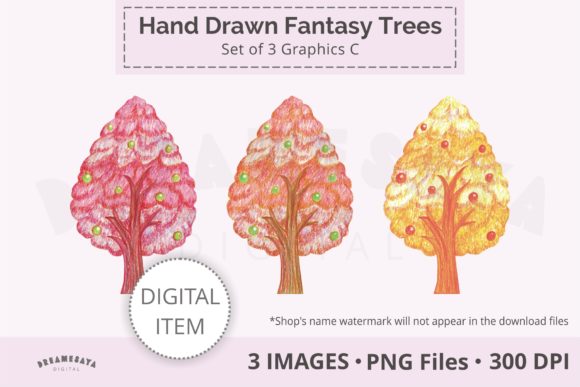
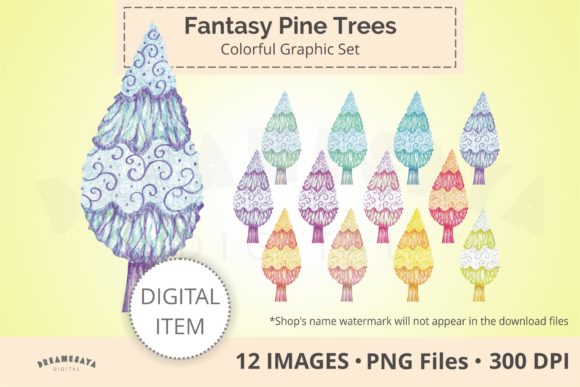
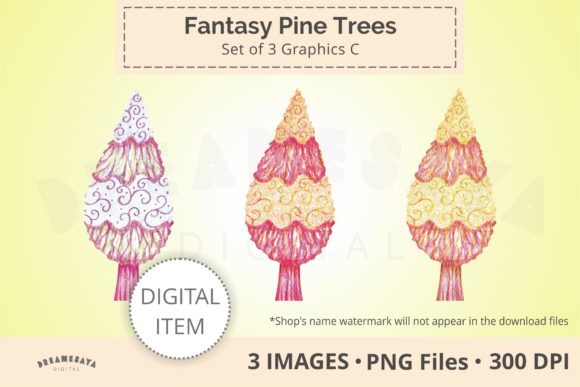
There's a distinct charm in illustrations that feel handcrafted, especially when they evoke a sense of storybook wonder. The Fantasy Pine Trees Decorative Clip Art C set captures this perfectly. It’s not just a collection of tree shapes; it’s a carefully curated design asset with a clear personality. Imagine the delicate texture of colored pencil, the subtle grain of the paper showing through, and the soft, slightly uneven lines that give each tree a unique, living quality. These aren't sterile, vector-perfect graphics. They possess a whimsical, fairy-tale feel that can instantly soften a digital layout or add warmth to a physical project. The set provides three distinct pine tree illustrations, each offered in a different color palette, all rendered with a consistent hand-drawn aesthetic. This consistency is key, as it allows the elements to work together harmoniously without competing for attention.
The Artistic Details That Make a Difference
Delving into the specifics, this clip art set is built for practical use. The illustrations are provided as high-resolution PNG files at 300 dpi, ensuring crisp output for both print and digital applications. The RGB color mode makes them ideal for screen-based projects, though they can often be converted for print with careful color management. Each tree is isolated on a transparent background, a crucial feature for designers who need to layer these elements seamlessly over photographs, patterns, or solid colors. The approximate size of 2.8" x 6.7" (7.2 cm x 17.1 cm) gives each tree a substantial, vertical presence, making them excellent standalone focal points or elegant compositional accents. The digital delivery means you can start using them moments after purchase, integrating them into your workflow without delay.
Where Whimsy Meets Practicality: Ideal Applications
So, where does this particular style of Fantasy Pine Trees Decorative Clip Art truly shine? Its strength lies in projects that aim for a human, organic, and slightly nostalgic or magical feel. For bloggers and content creators in niches like sustainable living, outdoor adventure, children's education, or cozy lifestyle, these trees can transform a standard blog post header into an engaging visual story. They are perfect for creating unique social media graphics that stand out in a feed of stock photography, adding a layer of authenticity and handcrafted appeal to Instagram posts, Pinterest pins, or Facebook covers.
Entrepreneurs and small business owners can leverage this asset in several ways. If you run an Etsy shop selling handmade goods, natural products, or stationery, incorporating these illustrations into your branding materials—like thank you cards, product tags, or packaging inserts—reinforces a brand identity rooted in craftsmanship and nature. The whimsical style is particularly effective for businesses targeting a family audience or those with a fairy-tale, botanical, or eco-conscious theme. The consistent style across the three colors allows for easy creation of a cohesive visual system without needing to hire a custom illustrator.
Integrating into Your Design Workflow
Using the Fantasy Pine Trees Decorative Clip Art effectively involves more than just dropping it onto a canvas. Consider these trees as you would any other design asset in your toolkit. Their hand-drawn nature pairs beautifully with certain typographic choices. For instance, combining them with a clean, modern sans serif font for body text creates a pleasing contrast that keeps the design grounded and readable. For headlines or logos, a complementary script font or a handwritten font can amplify the whimsical personality, but caution is needed to maintain clarity. The goal is a balanced font pairing where the typography supports the illustration's mood without becoming illegible.
Think about visual hierarchy. A large, single tree can anchor a composition, drawing the eye and establishing a theme. Using multiple trees of varying colors at different scales can create depth and movement, guiding the viewer through a layout. This is particularly useful in editorial design for magazine layouts or in packaging design where you need to tell a quick visual story on a limited space. For web design, these elements can serve as charming dividers, section backgrounds, or decorative accents around quotes or calls to action, enhancing user engagement through visual interest.
Making the Right Choice for Your Project
Before incorporating this or any creative font or clip art into a commercial project, it's wise to evaluate its fit. Does the whimsical, hand-drawn style align with your brand's voice and your audience's expectations? A law firm's annual report might not be the best fit, but a children's book publisher, a wedding planner specializing in woodland themes, or a craft brewery with a rustic brand identity would find immense value here. Always test the asset in context. Place it within your layout mockups alongside your chosen color palette, typography, and other imagery. Does it enhance the overall aesthetic or create visual dissonance?
Review the technical specifications to ensure they meet your project's requirements. The 300 dpi resolution is suitable for most print needs, but for very large format printing, you may need to check if the pixel dimensions will hold up. The RGB color mode is perfect for digital screens, but if your final output is a professionally printed brochure, consult with your printer about color conversion. The transparent background is a significant advantage, but always double-check the edges in your design software to ensure clean integration.
Ultimately, assets like the Fantasy Pine Trees Decorative Clip Art are about expanding your creative vocabulary. They offer a shortcut to achieving a specific, high-quality aesthetic without starting from scratch. By understanding its personality—whimsical, organic, and story-driven—you can deploy it strategically to elevate your projects, connect with your audience on an emotional level, and build a more distinctive and memorable brand identity. It’s a small investment that can yield significant creative returns across a wide spectrum of personal and commercial endeavors.